Titanic Quarter, BT3 9DT
About Belfast Fleadh Caravan Park
The proposed Fleadh Cheoil na hÉireann caravan/ camping site is situated within the Titanic Quarter, a large waterfront regeneration area occupying former Harland & Wolff shipyard lands on Queen’s Island, east Belfast. The site lies between three key arterial routes - Hamilton Road, Queens Road and Sydenham Road and is well connected to the city centre, public transport infrastructure and active travel routes.
Titanic Quarter comprises a mix of residential, commercial, educational, cultural and tourism uses, including Titanic Belfast, residential apartment developments, offices, hotels and public realm spaces. The area continues to develop on a phased basis under an established regeneration framework led by Belfast Harbour and Titanic Quarter Limited.
In November 2025, Belfast City Council's Property & Projects Department submitted a Proposal of Application Notice (PAN) (LA04/2025/2046/PAN) outlining a proposal for temporary planning approval for a caravan, campervan and motorhome site. The development description includes provision for:
Caravan, campervan and motorhome pitches
Communal recreational spaces
Toilets and shower facilities
Waste disposal and waste collection points
Food and drink areas, including tuck shop and coffee shop uses
Site office and storage areas
Lighting, ancillary services and associated temporary structures
Available public information indicates that the proposal is closely linked to accommodation requirements for Fleadh Cheoil na hÉireann 2026, which will be hosted in Belfast and is expected to attract significant visitor numbers.
The lands subject to the PAN form part of the wider Titanic Quarter landholding and are not currently in permanent built use. Similar parcels within this area are typically used on an interim basis for surface car parking, temporary event infrastructure, construction compounds or remain vacant pending future development.
Project Information
Size
516668 ft²
Planning References
LA04/2025/2046/PANLA04/2025/2046/PAN
Loading
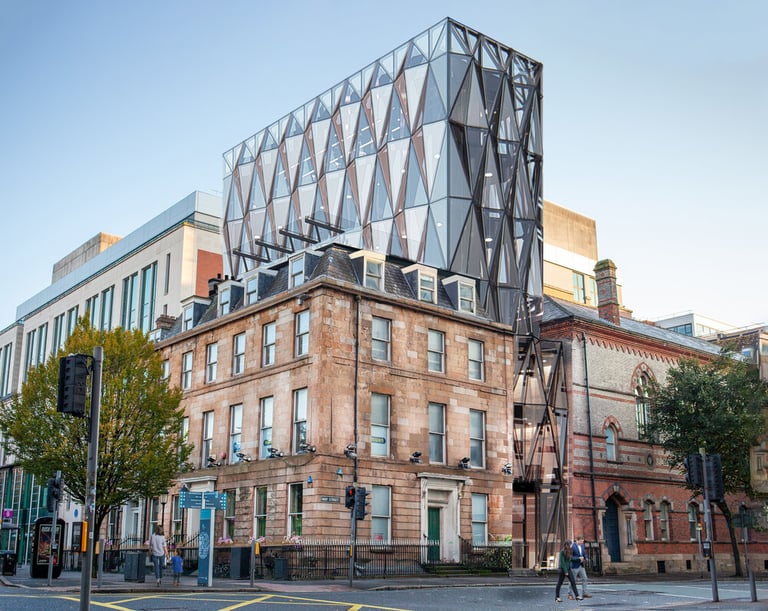
The Shipmakers House
Updated 2 years ago
The Shipmaker's House comprises of No. 18 and 19 Donegall Square East which are two Grade B1 listed Georgian townhouses, currently known as Clarence Chambers. The three-storey terrace date from the early nineteenth century (built around 1830) and are associated with the development of the White Linen Hall.
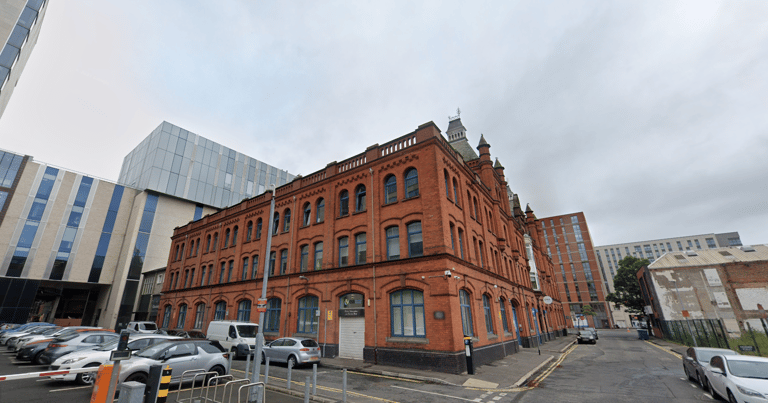
Education Authority Belfast HQ
Updated 2 years ago
Education Authority Headquarters Belfast is a four storey building of masonry construction and was built between 1899 and 1901. The building was designed by Samuel Stevenson it was constructed as a warehouse for Kirker, Greer and Company who manufactured aerated water. A Methodist meeting house formed part of the site in the mid-19th century. By 1917 the premises were managed by the distillers Brown, Corbett and Company, and in war-time the building was used as the Air Raid Precautions (ARP) headquarters. It has been home to the Belfast Education & Library Board since 1947 and gained listed building status in 2014.
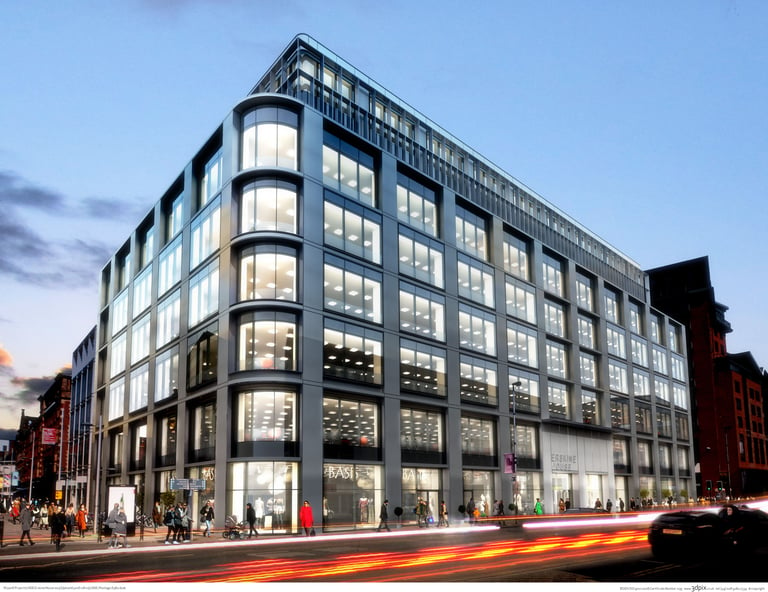
Erskine House
Updated 2 years ago
Erskine House is a prominent office building located on Chichester Street in Belfast. This 135,745 square foot development, completed in June 2019, includes ground-floor retail spaces currently occupied by the lifestyle retailer Anthropologie. The building is notably home to HM Revenue and Customs (HMRC), serving as their new Belfast headquarters.
