Published on 13th July 2024
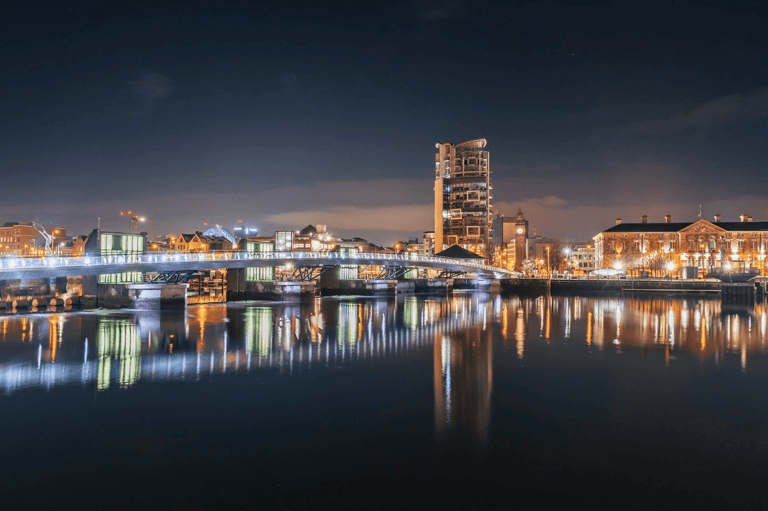
Belfast, the vibrant capital of Northern Ireland, is undergoing a remarkable transformation. The city's skyline and infrastructure are evolving, reflecting a dynamic blend of historic charm and modern innovation. This article explores the latest and upcoming developments in Belfast City Centre, highlighting significant projects that promise to shape the city's future.
One of the most ambitious projects currently underway is the Belfast Grand Central Station. This £200 million transport hub is set to revolutionise public transportation in the city. Located at Weavers Cross, the new station will replace the existing Europa Bus Centre and Great Victoria Street train station, offering state-of-the-art facilities including eight railway platforms, 26 bus stands, and provisions for bicycles and taxis. Expected to handle around 20 million passenger journeys annually, the station aims to encourage a shift from private car use to public transport, significantly enhancing connectivity across Northern Ireland and beyond.

Another landmark project is the £100 million "Belfast Stories" development. This initiative, part of the Belfast Region City Deal, seeks to transform the former Bank of Ireland building on Royal Avenue into a major tourism and cultural hub. Scheduled to open in 2028, the development will feature an interactive visitor experience that tells the story of Belfast, alongside a multi-screen cultural film centre and vibrant public spaces for events. This project is expected to create jobs, support the cultural sector, and regenerate surrounding neighbourhoods.

Belfast's cityscape is also being enhanced with new residential and commercial buildings. Recent approvals include a new 74-bedroom hotel on Queen Street, which involves the refurbishment of a Grade B1 listed building, and major residential projects across the city. These include 298 new apartments on Tomb Street, 256 apartments in City Quays, and 77 apartments on May Street, among others. These developments aim to boost the city’s residential population and provide diverse housing options.
The Planning Committee has also approved the construction of Queen’s University Belfast’s new clinical research facility on the Lisburn Road. Part of the iREACH Health initiative, this state-of-the-art centre will focus on developing and testing new medicines, technologies, and therapies, contributing to better health outcomes for people in Northern Ireland and beyond. This facility is part of the broader Belfast Region City Deal program, which underscores the city's commitment to innovation and health research.
As part of the Belfast Grand Central Station project, Saltwater Square is set to become a new public realm space designed for outdoor performances and community events. This area will include 1.3 million square feet of office, residential, student housing, retail, and leisure space. The comprehensive plan aims to regenerate the area between the Lower Falls and Sandy Row, fostering economic growth and community development.

The "Belfast Stories" project is exploring renewable energy solutions and the inclusion of a green rooftop park to make the building sustainable and climate-resilient. This forward-thinking approach not only preserves Belfast's rich heritage but also positions the city as a leader in environmental sustainability.
Looking ahead, the new Grand Central Station will support an expanded public transportation network, including potential hourly services on the Belfast to Dublin Enterprise railway. This enhancement will facilitate greater regional connectivity and support the economic integration of Northern Ireland with the Republic of Ireland. Plans are in place to introduce a new rail fleet for this service by 2028.
Future developments in Belfast are also focused on innovative urban living. The city’s Planning Committee continues to approve new residential projects that include affordable and social housing. Recent approvals include 33 dwellings at the former Belvoir Park Hospital site, which will feature restored listed buildings and enhanced open spaces, and 55 apartments on Gaffikin Street, a mix of social and private units.
Investment in Belfast’s cultural and heritage sectors is also a priority. The city is set to benefit from the regeneration of historic sites and the creation of new cultural facilities. For instance, the former Belfast Telegraph building on Royal Avenue will be transformed into a conference centre and events space, contributing to the city’s vibrant cultural scene.
Belfast City Centre is on the brink of a transformative era, marked by significant developments that promise to reshape its landscape and enhance its appeal as a place to live, work, and visit. From the state-of-the-art Grand Central Station to the innovative Belfast Stories project, these initiatives reflect a city that is embracing its heritage while looking boldly to the future. As these projects come to fruition, Belfast is set to strengthen its position as a dynamic and forward-thinking urban centre, ready to meet the challenges and opportunities of the 21st century.
